
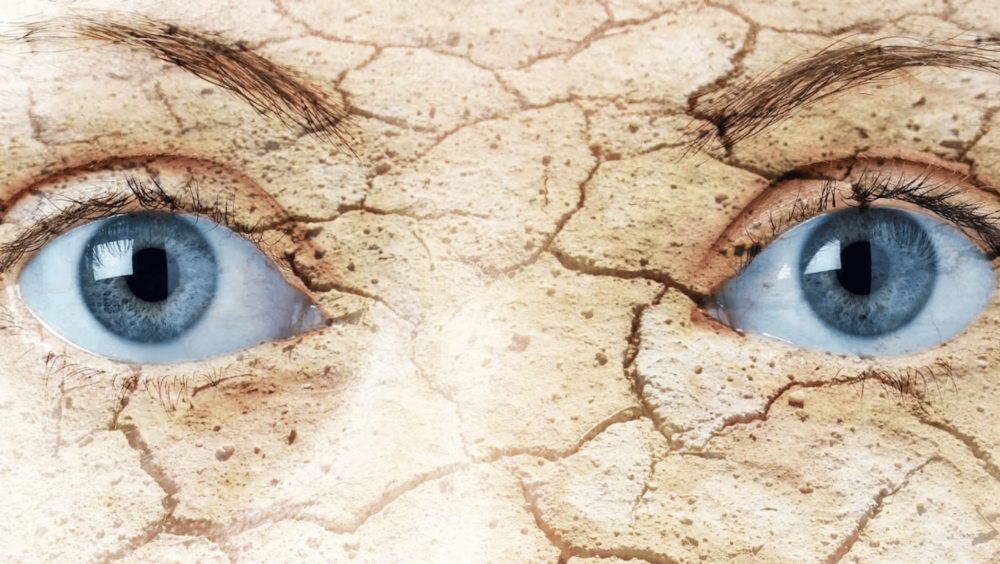
Many fasting individuals notice symptoms of dry eyes during Ramadan, such as burning sensations or a gritty feeling in the eye. This often happens due to lifestyle changes and reduced fluid intake during fasting hours. As a result, people begin searching for safe and effective dry eye treatment, especially with increased screen time and late nights.
This is where suitable eye drops become important, as they help moisturize the eyes and protect them from complications. In this comprehensive guide, we explain the causes of dry eyes during fasting, along with the best treatment and prevention methods to ensure eye comfort throughout Ramadan..
Causes of Dry Eyes During Ramadan
Dry eyes during Ramadan occur due to several medical and behavioral factors that coincide with fasting, including:
- Reduced Water Intake
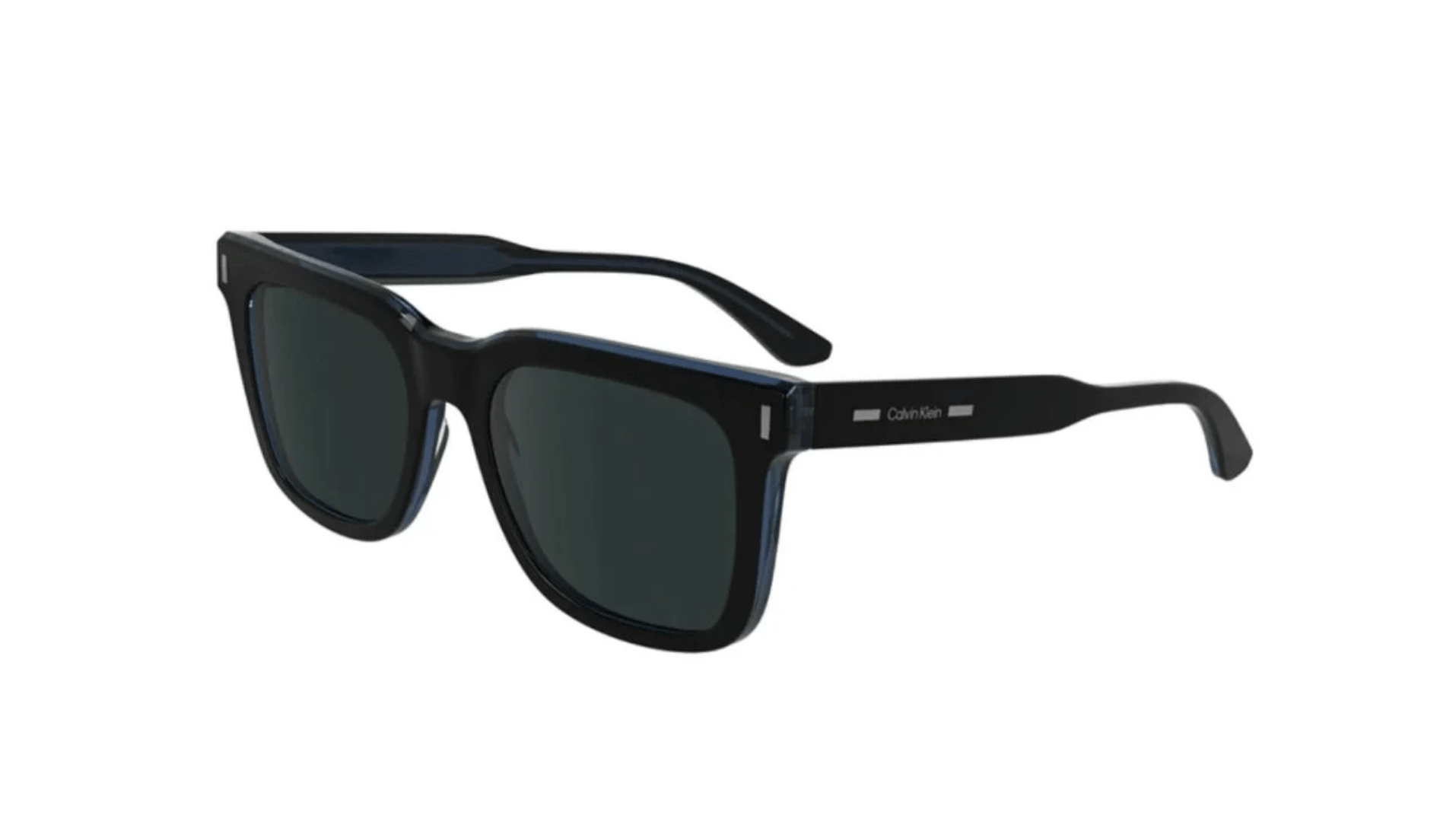
Tear production naturally decreases when the body lacks sufficient fluids. Therefore, general dehydration is one of the main causes of dry eyes during Ramadan, especially in hot weather. Browse Calvin Klein Sunglasses and reserve your pair now from here.
- Sleep Disruption and Late Nights
Staying up late affects the stability of the tear film, which increases the need for supportive dry eye treatment, such as artificial tears.
- Prolonged Screen Use
Phone and television use increases during Ramadan. Tears evaporate more quickly due to reduced blinking while focusing, which worsens dry eyes during Ramadan.
- Contact Lens Use
Contact lenses may increase the feeling of dryness, especially during long fasting hours. Therefore, some individuals may need to adjust their routine or use moisturizing eye drops designed for contact lens wearers.
Best Dry Eye Treatment Solutions During Fasting
Using Moisturizing Eye Drops
Using eye drops is one of the most common and effective methods for dry eye treatment during Ramadan. These drops act as a substitute for natural tears, maintaining eye surface hydration and reducing inflammation.
There are several types of eye drops:
- Preservative-free artificial tears
- Drops designed for contact lens wearers
- Thicker gel drops for severe cases
Choosing the right type helps relieve symptoms of dry eyes during Ramadan and directly improves daily comfort.
Managing Contact Lens Wearing Time
It is recommended to reduce contact lens wearing hours or temporarily switch to prescription glasses for those experiencing dry eyes during Ramadan. Dry eye treatment can also be supported by using eye drops before and after wearing lenses. Browse Amara Contact Lenses designed with hydration and high oxygen permeability to protect your eyes from dryness from here.
Improving Lifestyle Habits
- Drink sufficient water between Iftar and Suhoor.
- Reduce direct exposure to air conditioning.
- Take regular breaks from screens.
- Increase blinking while using devices.
All these steps support a comprehensive dry eye treatment plan and reduce recurring symptoms during Ramadan.
Preventive Tips for Managing Dry Eyes During Ramadan
You can follow these guidelines to minimize the risk of dry eyes during Ramadan:
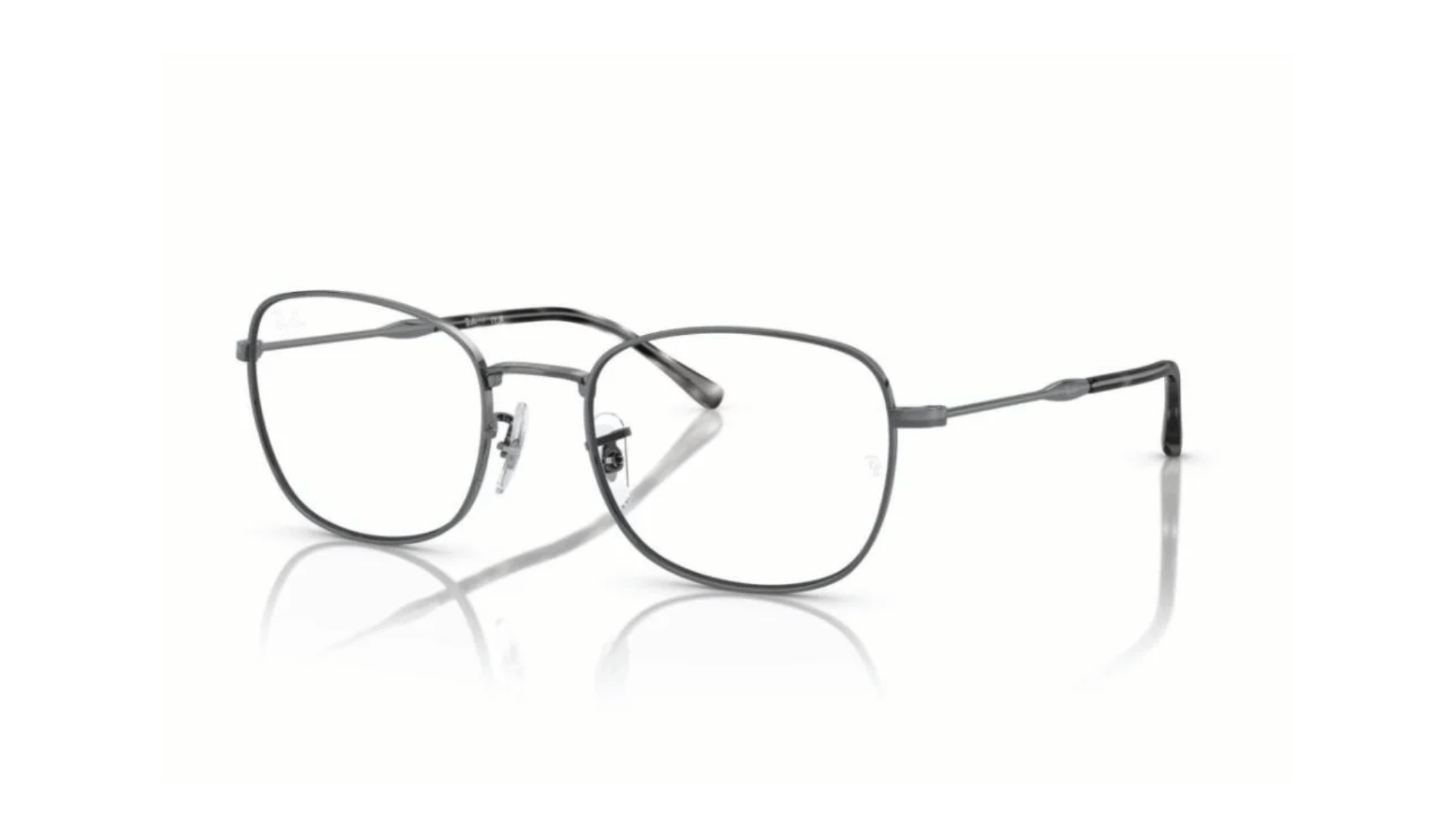
- Pay Attention to Nutrition: Eating foods rich in Omega-3 helps improve tear quality and enhances the effectiveness of dry eye treatment. Browse Ray-Ban Optical Glasses now from here.
- Use Eye Drops Regularly: Even if symptoms improve, it is preferable to continue using eye drops according to professional advice to maintain stable hydration.
- Avoid Rubbing Your Eyes: Rubbing the eyes increases inflammation and delays dry eye treatment, so this habit should be avoided.
- Consult a Specialist if Symptoms Persist: If dry eyes during Ramadan continue despite using eye drops, a deeper medical evaluation may be required to create a customized dry eye treatment plan.
Does Using Eye Drops Affect Fasting?
Many fasting individuals wonder about using eye drops during fasting hours. Medically, eye drops are applied locally and are not considered nourishment. Therefore, the final ruling depends on the recognized religious guidance.
When Are Dry Eyes Considered Serious?
Dry eyes during Ramadan are usually temporary and related to general dehydration. However, if severe pain or blurred vision occurs, urgent medical intervention may be required. An advanced dry eye treatment plan may include specialized therapeutic eye drops.
Dry eyes during Ramadan are common but manageable when proper steps are followed. Choosing the right dry eye treatment, regularly using moisturizing eye drops, and organizing lifestyle habits between Iftar and Suhoor all help protect the eyes and relieve symptoms.
Early care means greater comfort throughout the holy month. Therefore, do not ignore early signs, and start a clear dry eye treatment plan to ensure comfortable fasting and healthy vision during Ramadan. Zaki Opticals offers a free eye examination and free eye checkup, so do not hesitate to book your appointment now from here.